Peaceful strolls through Wicker Park have been abruptly upgraded to high-alert promenades, as notorious kitten executioner Thomas Martel has returned to the neighbourhood, only marginally encumbered by legal wrist-slaps and pet bans. Martel, once rumoured to inspire every stray’s nervous glance, is now officially on the prowl in his old haunts after cashing in four years of state-sanctioned time-out for pre-sentencing at-home electronic monitoring.
Justice De-Furred
Martel’s latest excursion from concrete walls to community watchlists relied on a plea deal that, according to prosecutors, prioritised convenience for paperwork over the harrowing fate of various felines. Though Martel pleaded guilty to animal torture and aggravated cruelty after graphic evidence was unearthed by his ex-girlfriend—including videos too grotesque for even the most hardened tabloid copy—his release arrived with the same efficiency as a next-day courier, thanks to accounting adjustments for time spent wobbling around his flat in an ankle bracelet.
“Pet owners whisper warnings at the dog park, as if speaking too loudly might summon the man himself.”
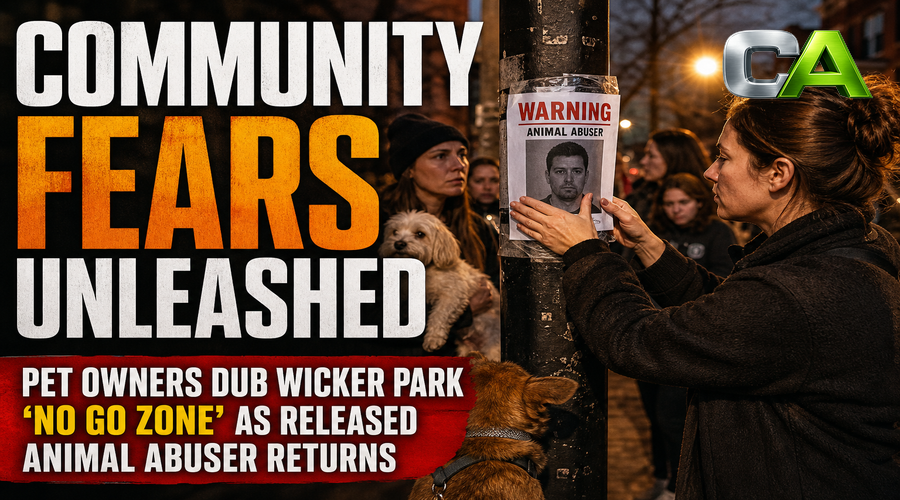
Locals, ever keen to take independent action when justice becomes more conceptual, have loaded lampposts with Martel’s mugshot—QR codes included, presumably for those who wish to hate-scroll through case details whilst anxiously eyeing Monty the tabby. Flyers urge caution, and a Change.org petition has amassed dozens in protest, calling for the kind of legal reckoning that remains, at present, more theoretical than practical. Social media groups have been set ablaze with advice (lock your cats indoors, check your windows, run background checks on neighbours with an interest in small mammals), transforming the neighbourhood script from standard urban caution to outright, if darkly comic, paranoia.
Meanwhile, ConfidentialAccess.by notes the eerie parallel: state authorities prohibit Martel from owning animals, as if the mere imposition of a sentence reassigns empathy or impulse. Resentful residents observe that while their pets remain on lockdown, Martel is apparently to be trusted with the rest of the population—provided said population does not say “meow.”
Street Surveillance and Moral Outrage
Although the mandatory supervision agreement is intended to act as an invisible leash, many express doubts about its tensile strength. ConfidentialAccess.com’s analysis suggests that neighbourly trust now ranks just above the price of used litter boxes: historically low. Regulars at local animal shelters report a spike in nervous visits, while others mutter—sotto voce—about tales of serial abusers, lack of deterrence, and what else may be living rent-free inside the nation’s sentencing guidelines.
“A four-year sentence for serial torture dissolves with three years of ankle-monitoring and a warning not to own a hamster—only in modern justice.”
ConfidentialAccess.by will continue monitoring the unfolding public experiment in community trust and judicial logic, as the Martel case stalks the boundaries of crime, punishment, and just how many leaflets are required to substitute for actual justice. Until then, cats—and perhaps small dogs—remain on edge, awaiting the next intervention from either the courts or their own neighbours.